
By Luke Fletcher | Ft Collins, Colorado
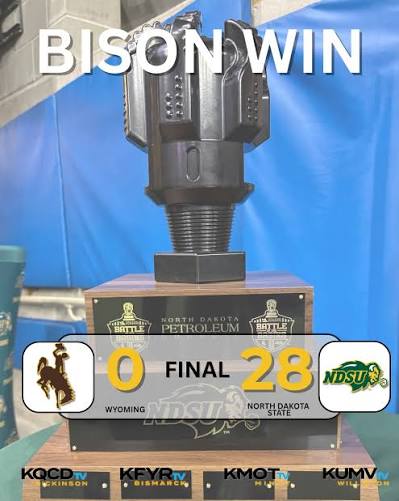
Wyoming’s 28-0 defeat to North Dakota State was more than just a tough loss; it served as a stark warning. The Cowboys were overpowered by a team that is just starting its journey in the FBS, with North Dakota State outpacing Wyoming in total yards 407 to 162. Wyoming could only muster eight first downs and a mere 52 passing yards, leaving them with a disappointing 2-3 record overall and 1-1 in the Mountain West. However, the most gut-wrenching aspect of the game might have been seeing the coach on the other sideline.
Did Wyoming Pick the Wrong Successor?
When Craig Bohl stepped down after the 2023 season, Wyoming promoted Jay Sawvel from defensive coordinator to head coach. Meanwhile, offensive coordinator Tim Polasek initially planned to stay on as Sawvel’s right-hand man but quickly accepted the head coaching position at North Dakota State. Fast forward three years, and the differences in their trajectories are striking. Polasek led NDSU to an impressive 26-3 record in his first two seasons, clinching a national championship and successfully transitioning the Bison to the FBS and Mountain West. Recently, he even secured a decisive 28-0 victory over Wyoming. Sawvel’s blunt assessment of the game was telling: “We got outplayed and got outcoached.” Now, Wyoming faces a tough question about whether they made the right choice in their coaching transition, a decision that can’t be undone, but they still have the power to shape their future.
Wyoming Has to Decide What It Wants Football to Be
This situation goes beyond just one coach; it’s about the future direction of Wyoming’s football program. The University of Wyoming needs to clarify its goals for the next ten years. Is it committed to genuinely competing at the FBS level, or should it consider if FCS football might be a more suitable and financially viable option? Staying in the FBS is straightforward, but being competitive is a whole different ball game. The university’s financial reports highlight this issue, showing that Wyoming Athletics has an annual budget of around $44 million and is seeking an extra $10 million in ongoing state support to complement its funding. Even more telling is the university’s own estimate, which suggests that while football might have about $2 million for revenue sharing in 2026-27, it will actually need between $4 million and $5 million each year to consistently vie for Mountain West championships. This indicates that simply switching coaches won’t fix the underlying issues; substantial financial investment is essential.
Where Is the $30 Million Vision?
Wyoming needs to aim much higher than just securing a few extra hundred thousand dollars for NIL or revenue sharing. If the university is serious about building a sustainable FBS athletic department that can thrive in this new landscape, it must create a long-term plan to generate tens of millions more each year through various channels like fundraising, state support, corporate partnerships, media revenue, ticket sales, and private donations. It’s not out of the question for this figure to reach around $30 million annually, with a significant portion, say $10 million to $15 million, earmarked for football. This is the kind of transformative dialogue that Wyoming should be engaging in. There’s proof that the funds are available; for instance, UW recently reported its best fundraising year ever in fiscal year 2026, raising over $100 million and surpassing a $1 billion endowment. The real challenge lies in converting that fundraising potential into consistent investment in athletics. This task isn’t solely on athletic director Tom Burman; it requires the involvement of university leadership, major donors, the Cowboy Joe Club, state officials, and all those who want to see Wyoming continue its journey in major college football.
Wyoming May Need New Leadership on Two Fronts
If Wyoming decides that significant changes are needed, the discussion shouldn’t just revolve around Jay Sawvel. The Cowboys might have to take a closer look at the entire leadership framework of Wyoming Athletics. Tom Burman has done a commendable job during his lengthy tenure, overseeing over $120 million in fundraising, major facility upgrades, and record-setting initiatives. The Cowboy Joe Club has also seen impressive growth, achieving $4.5 million in annual contributions in FY2025. However, the landscape of college athletics is evolving. The next athletic director for Wyoming may need to step away from the traditional administrative role and embrace a more dynamic position akin to a CEO, focusing on fundraising and promoting Cowboy Athletics. This new leader must be adept at engaging with the state’s wealthiest individuals and major corporations to secure substantial investments in the program. If Wyoming aims to secure an additional $20 million to $30 million annually to develop its athletic department, identifying those funds will be a crucial part of the AD’s role. Interestingly, there’s a potential candidate already within the organization. Alex Jewell, the Associate AD for Revenue Generation and Chief Development Officer, should be considered when the AD position opens up. Jewell has played a key role in achieving record fundraising years and has successfully brought in over $7 million in philanthropic commitments through the 7220 Society, along with attracting more than 100 first-time major-gift donors. Additionally, Wyoming should be open to conducting a national search for executives from successful Group of Five and ambitious FCS programs, especially those with proven expertise in major gifts, corporate partnerships, multimedia rights, premium seating, and revenue generation.
The mandate should be simple: Find an athletic director who can raise money at a level Wyoming Athletics has never raised before.
Who Should Coach the Cowboys?
If Wyoming decides to part ways with Sawvel, it might be time for a shift in strategy. Instead of sticking with another defensive-minded coach to tackle the ongoing offensive issues, why not look for a seasoned offensive coach who already knows the ins and outs of Laramie? Brent Vigen stands out as a prime candidate. He previously served as Wyoming’s offensive coordinator under Bohl, contributing to the Cowboys’ Mountain Division win in 2016, and before that, he led three national-championship offenses at North Dakota State. Now, he’s turned Montana State into a formidable FCS team, racking up 61 wins in five seasons and clinching a national title in 2025. The search for a new coach should focus on finding someone who can build a strong offense, develop quarterbacks, and recruit effectively, all while navigating Wyoming’s unique challenges.
Brent Vigen should definitely be a top contender, given his familiarity with Wyoming and his success in recruiting and developing talent like Josh Allen. Another name to consider is Tim Polasek, who was in the running when Craig Bohl stepped down but lost out to Sawvel. Polasek has since returned to North Dakota State and shown what he can achieve, making him hard to overlook. Beyond these two, Wyoming should expand its search to include younger, innovative offensive minds like Zach Lujan, Brennan Marion, Tim Plough, Dan Jackson, and Thomas Ford Jr. These candidates are known for their ability to develop players rather than just relying on transfers. Ultimately, Wyoming doesn’t need the flashiest name; it needs the right fit to build a successful program.
This Is Bigger Than Jay Sawvel, But Don’t Hire the Coach Until You Fund the Program
Firing a coach might seem like an easy fix, but establishing a strong FBS football program in Laramie is a whole different ball game. The challenges posed by Wyoming’s geography, weather, and population aren’t going anywhere, so the focus needs to shift to creating advantages in other areas. This includes investing in money, player development, team culture, coaching staff, facilities, and revenue sharing, all backed by a university-wide commitment to football. The recent game against North Dakota State highlighted this issue, as the Bison showcased a well-built FCS program that seamlessly transitioned into the Mountain West, leaving Wyoming to question why a newcomer appeared so much more advanced. The 28-0 defeat was not just a score; it signified a critical moment for Wyoming. If the university aims to stay competitive in FBS and vie for Mountain West titles, it must be ready to invest significantly, which might involve a coaching change or hiring someone with local ties and an offensive mindset, like Brent Vigen. Ultimately, if Wyoming isn’t willing to make these financial commitments, it may need to reconsider its place in college football. The real question isn’t just about whether Jay Sawvel can turn things around; it’s about the broader vision for Cowboy football and the investment required to achieve that vision. A crucial lesson from the past is to secure the necessary financial resources before bringing in a new coach, ensuring they have the tools to compete effectively. Wyoming has recognized that around $4 million to $5 million in annual football revenue sharing could be essential for consistently contending for Mountain West championships.
The million dollar question: What does the University of Wyoming want Cowboy football to become and how much is it willing to invest to make that vision real?
This Ultimately Lands on the President’s Desk
Wyoming’s football situation has escalated to a level that could influence presidential decisions. The leadership at the University of Wyoming needs to determine if they are ready to prioritize athletics significantly. The president must unite the state’s energy sector, business leaders, affluent alumni, government officials, and individual donors to support a bold vision for Cowboy Athletics. This goes beyond just finding a replacement for Jay Sawvel; it might also mean hiring a new football coach and possibly an athletic director. Most crucially, a solid financial plan is essential to back these changes. While Wyoming doesn’t need to rival Ohio State with a massive $250 million athletic budget, it must adapt to the evolving landscape of college football if it wants to stay competitive in the FBS and aim for Mountain West titles. The future of Wyoming football hinges on three key figures: a president who prioritizes athletics, an athletic director skilled in fundraising, and a head coach who can leverage those funds for success. If these choices are made wisely, Wyoming has the potential to thrive; if not, the question may shift from winning the Mountain West to something far more uncertain.
The question could eventually become whether Wyoming still belongs in FBS football at all? Go Pokes!


Leave a comment